GigCompass
Home › Learn › Illustration vs photography for marketing: which should you use?
Illustration vs photography for marketing: which should you use?
Updated 2026-10-03
We may earn a commission if you hire through links on this page, at no extra cost to you. How we choose picks.
Every website, ad and social post needs images, and the first choice is often between illustration and photography. Photos show real people, places and products, which builds trust. Illustrations explain ideas, create a distinctive style and can show things a camera cannot. Neither is always better. This article compares the two so you can choose the right approach for each part of your marketing and brief the right freelancer.
When photography works best
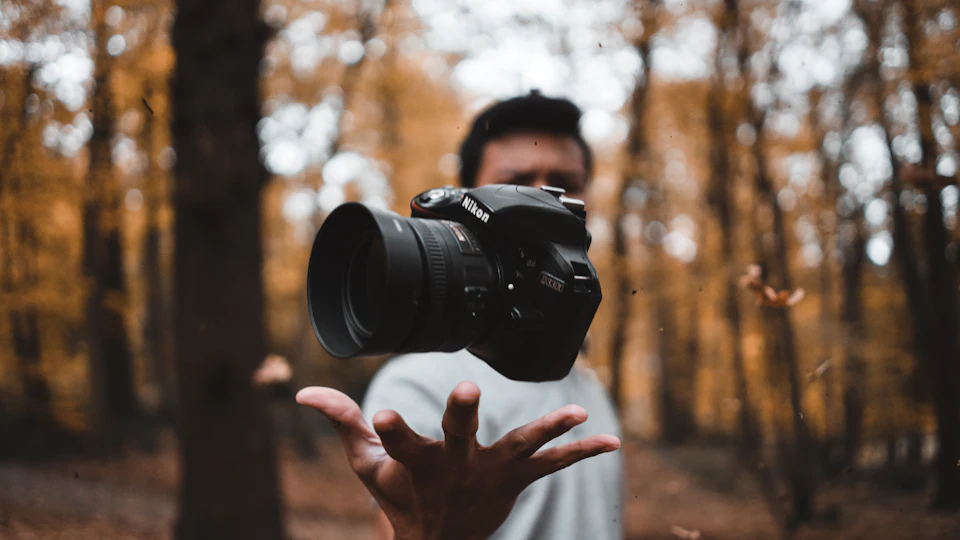
Photography shows reality. It is the natural choice when people need to see exactly what they are buying or who they are dealing with: products, food, places, venues, team members and real customers. Photos of real people create an emotional connection and make a business feel approachable. For e-commerce, accurate product photos are essential, and for services, authentic team portraits often do more for trust than any slogan.
The limits are practical. Shoots require planning, locations, models and permissions, and new images require new shoots. Generic stock photos are quick but often recognizable, and they can make a brand feel interchangeable.
When illustration works best
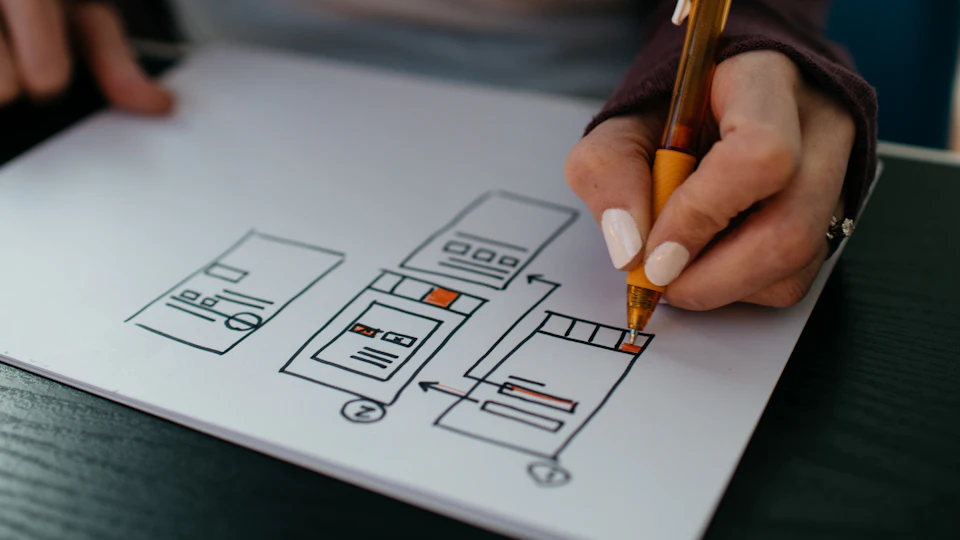
Illustration shines when you need to explain or imagine. Software features, abstract services, processes, data and future products are often easier to show in drawings than in photos. Illustration also lets you create a distinctive visual style that competitors cannot easily copy, with consistent colors, characters and shapes. It works well for onboarding screens, explainer content, blog headers, social posts and brands that want a friendly or playful feel. An illustrator can create a set of scenes and spot illustrations that grow with your brand.
The limit is realism. Illustrations cannot prove what a product looks like or show your actual team, so they are less useful where evidence matters.
Side-by-side comparison
| Photography | Illustration | |
|---|---|---|
| Shows reality | Yes | No |
| Explains abstract ideas | Limited | Strong |
| Distinctive brand style | Depends on direction | Strong |
| Adding new images | New shoot | Same artist, same style |
| Diversity and inclusion | Depends on casting | Easy to plan |
| Best for | Products, people, places | Concepts, processes, brand worlds |
Combining both
Many brands use both. A common pattern is photography for products, team and testimonials, with illustration for features, explanations, icons and empty states. To keep the result consistent, set simple rules: which pages use which style, a shared color palette, and treatments such as rounded corners or color overlays on photos. A designer can create a short visual guide so every new image fits. Small touches, like illustrated elements layered over photos, can tie the two together.
Cost and flexibility over time
Compare the full life of the images, not just the first batch. A photoshoot can produce many images in one day, but each later campaign may need another shoot. An illustration style takes time to define, but once it exists, new scenes can be produced by the same illustrator relatively quickly. Ask both photographers and illustrators how they price additional images later and what files you will receive.
Rights and usage
Check usage rights for both. Photographers and illustrators often license images for specific uses, and photos of people require model releases. For stock images, read the license, especially for ads and products for sale. Our illustration rights article covers what to agree before commissioning. If you consider AI-generated images, think about accuracy, rights and how your audience may react, particularly where trust matters.
Briefing either one
For a photoshoot, provide a shot list, locations, people involved and examples of the lighting and mood you want. For illustration, describe the scenes, the level of detail and the style, and share references. In both cases, say where the images will be used and in what sizes and orientations.
How to decide
- Selling physical products: photography first, illustration for supporting graphics.
- Software or digital services: illustration for features, photography for team and customers.
- Local services: real photos of your work, team and location.
- Education and explainers: illustration and diagrams.
- Strong brand personality wanted: a custom illustration style, supported by authentic photos.
Whatever you choose, consistency matters more than any single image. A small set of images in one clear style looks more professional than a large mix of unrelated pictures. Our illustration vs graphic design article explains how illustrators and designers work together.
FAQ
Is photography always more trustworthy?
Real photos of your team, customers and products build trust. Generic stock photos often do not.
Can I mix illustration and photography?
Yes, if you set clear rules for where each is used and keep a consistent color palette.
Are stock photos good enough?
For some uses, yes. For key pages, original photos usually feel more authentic.
Is illustration cheaper?
Not always. A custom illustration set can cost as much as a photoshoot, but it is easy to extend later.
What about AI-generated images?
Consider accuracy, rights and how your audience will perceive them before using them in marketing.