GigCompass
Home › Learn › Product photography vs 3D product rendering: which should you choose?
Product photography vs 3D product rendering: which should you choose?
Updated 2026-10-03
We may earn a commission if you hire through links on this page, at no extra cost to you. How we choose picks.
Good product images sell. For years, the only option was a photoshoot, but 3D rendering now creates realistic product images from a digital model, without a camera or physical sample. Each approach has strengths. Photography captures real textures and real people, while rendering makes it easy to show every color option, impossible angles and products that do not exist yet. This article compares the two and helps you decide which suits your products.
Product photography
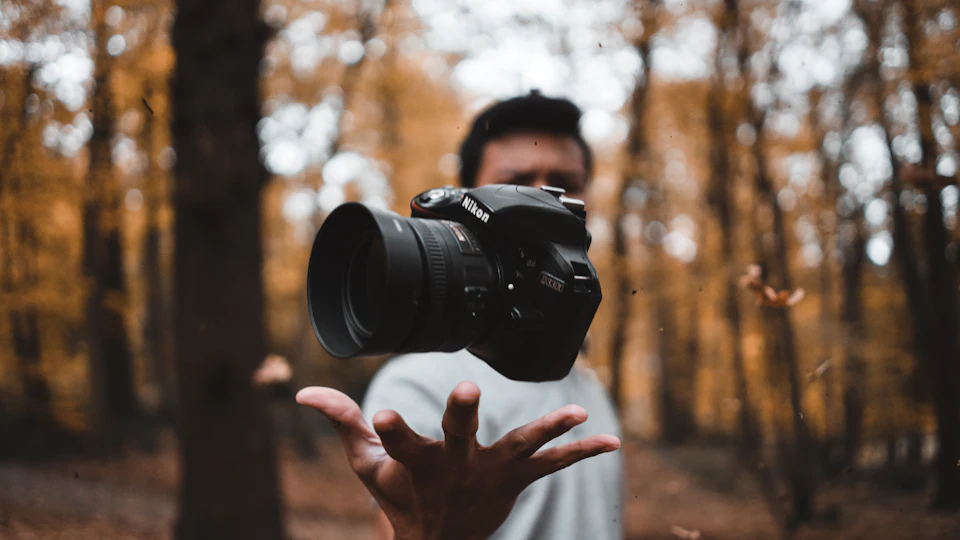
A product photographer shoots your physical product, usually on a clean background for store listings and in styled scenes for marketing. Photography captures real materials, food, fabrics and the way products look in real hands and homes. It suits products that already exist, items where texture matters, and lifestyle images with people. You need to ship samples, and every new color or variation needs another shoot. Our product photography guide covers what to ask for.
3D product rendering
A 3D artist builds a digital model of your product and creates images with virtual lighting and cameras. Once the model exists, new angles, colors, close-ups and backgrounds are relatively quick to produce. Rendering suits products still in development, items with many variations, cutaway views that show inner parts, and very large or hard-to-ship products. The same model can be reused for 3D product animation and interactive viewers. It works best for hard, manufactured products; soft fabrics, food and organic materials are harder to make convincing.
Side-by-side comparison
| Photography | 3D rendering | |
|---|---|---|
| Needs a physical product | Yes | No, drawings can work |
| Realism of textures | Natural | Depends on skill |
| Extra colors and variations | New shoot | Quick changes |
| Lifestyle with people | Strong | Limited |
| Exploded or cutaway views | Difficult | Easy |
| Reuse for video | Separate shoot | Same model |
How to choose
- One product, few variations, already in stock: photography.
- Many colors, sizes or configurations: rendering, or a mix.
- Product not manufactured yet, for pre-orders or crowdfunding: rendering.
- Food, clothing on people, handmade goods: photography.
- Technical products where inner parts matter: rendering.
What each needs from you
For photography, prepare clean, undamaged samples, a shot list with angles and crops, the marketplace image requirements and examples of the style you like. For rendering, provide technical drawings or CAD files if you have them, exact measurements, material and finish references, color codes and photos of any physical prototype. In both cases, say how many final images you need, at what sizes and with what background.
Do not forget editing
Most product photos need retouching: background removal, color correction, dust removal and consistent sizing. Ask whether the photographer includes this or whether you need a separate image editing freelancer. Renders usually come finished, but small changes such as a new label still take time.
Thinking about cost over time
Compare the full cost over the life of the product, not just the first set of images. A photoshoot has fixed costs for setup, styling and editing, and every new color, seasonal campaign or packaging change may need another session. A 3D model has a higher upfront cost, but each new image after that is usually quicker and cheaper to produce. If you sell a single product that rarely changes, photography often wins. If you launch new variations every season, maintain a large catalog or need images before products are manufactured, a reusable model can pay off.
Ask freelancers to quote both the first batch of images and the price of extra images later. Also ask who owns the 3D model and source files, because owning them lets you reuse the model for future images, videos and even augmented reality views without starting again.
Keep images honest
Whichever method you choose, images must show the product accurately. Renders that look nicer than the real item lead to returns and poor reviews, and many marketplaces require that main images represent the actual product. Compare renders with a physical sample when one becomes available, and update images if the final product changes.
Many brands combine both approaches: renders for consistent catalog images across every variation, and photography for lifestyle images that show the product in real life.
FAQ
Are 3D renders allowed on marketplaces?
Usually yes, if they accurately represent the product. Check each marketplace's image rules.
Do I need a physical sample for 3D rendering?
Not always. Technical drawings, measurements and material references can be enough.
Which is cheaper?
For one product in one color, photography is often cheaper. For many variations, rendering can be more efficient.
Can renders look fake?
Poor ones can. Good renders depend on accurate models, materials and lighting.
Can I use both?
Yes. Many brands use renders for catalog images and photography for lifestyle shots.