GigCompass
Home › Learn › How to prepare a character or mascot design project
How to prepare a character or mascot design project
Updated 2026-10-03
We may earn a commission if you hire through links on this page, at no extra cost to you. How we choose picks.
A well-designed character can become the face of a brand, a book series or a game. Mascots and characters are used for years, in many poses and formats, so they need more planning than a single illustration. Buyers who only describe a cute animal and leave the rest to the artist often end up with a design that works in one picture but not across a website, animation and merchandise. This article explains what to prepare before you commission a character.
1. Personality and story
Start with who the character is, not what it looks like. Describe its personality in a few words, such as curious, brave, calm or mischievous, and give a short backstory or role: a guide who helps customers, a hero in a story, a game companion. Explain how it should make people feel. Personality guides every design decision, from body shape and colors to posture and facial features.
2. Audience and brand
Describe the audience, including age group and cultural background, and how the character fits your brand. A mascot for a children's product, a fintech app and a sports team will look very different. Share your brand colors and guidelines so the character feels like part of the same family. Mention any cultural sensitivities to consider in markets where the character will appear.
3. Where the character will be used
List every planned use: website and app illustrations, social media posts, stickers, animation, packaging, merchandise, printed books, signage or a game. Each use affects the design. A character for small app icons needs a simple, recognizable silhouette. One for animation needs shapes that are easy to move. One for merchandise needs to work in a few colors. Planning uses early avoids redesigning later.
4. Style references
Collect examples of characters and styles you like and explain what appeals to you: line style, proportions, colors, level of detail or expressions. Also share styles you want to avoid. Make sure your references are for inspiration only; ask for an original design rather than something too close to an existing character. A clear reference board helps the artist propose sketches that match your expectations.
5. Sketches and refinement
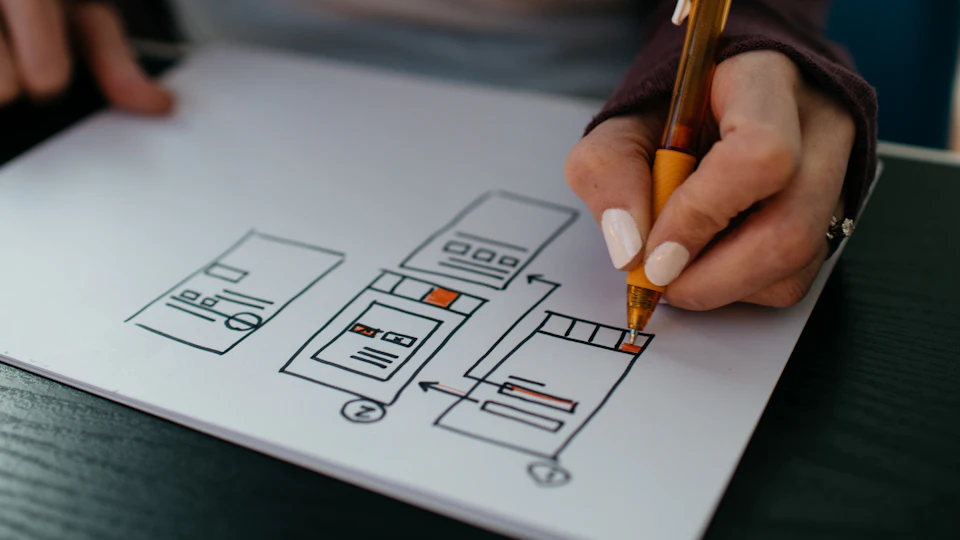
Most artists start with several rough concept sketches. Choose one direction, then refine proportions, details and colors. Give feedback at the sketch stage, when changes are fast. Once the main design is approved, the artist creates final artwork. Agree on the number of concepts and revision rounds before starting.
6. Character sheet, poses and expressions
For a character used over time, ask for a character sheet: front, side and back views, color codes and notes on proportions and details. Add a set of expressions, such as happy, surprised, thinking and sad, and poses for your main uses, such as waving, pointing or holding objects. This sheet allows other illustrators, animators and 3D artists to keep the character consistent. If you plan animation, a character animator or rigging specialist will rely heavily on it.
7. 2D or 3D
2D characters suit illustration, websites, books and simpler animation. 3D characters suit games, augmented reality, product-style visuals and animation with camera movement. Some brands start with 2D and later commission a 3D model based on the character sheet. Decide which you need first, and ask whether the design will translate well to the other format.
8. Rights and files
Characters often become valuable brand assets, so agree on rights carefully. Ask for exclusive commercial rights or full ownership, including the right to adapt, animate and use the character on merchandise. Ask for vector or layered source files, transparent PNGs and the character sheet. Our illustration rights article explains the options. If AI tools are involved, discuss how originality, consistency and rights will be handled.
Keeping the character consistent
Share the character sheet with everyone who works on the character later, and keep one approved version as the reference.
Preparation checklist
- Personality, role and backstory.
- Audience, brand colors and cultural notes.
- Full list of planned uses.
- Reference board, with styles to avoid.
- Concepts and revision rounds agreed.
- Character sheet, expressions and poses.
- 2D or 3D decided, rights and files agreed.
Our cartoon illustration guide explains how to compare character artists and what packages usually include.
FAQ
What is a character sheet?
A reference showing the character from several angles, with colors and key details, so others can draw it consistently.
How many expressions do I need?
Enough for your planned uses. Many brands start with five to ten expressions and poses.
Should the character be 2D or 3D?
It depends on use. 2D suits illustration and simple animation; 3D suits games, AR and product-style visuals.
Who owns the character?
Agree in writing. For mascots and series characters, aim for full rights or broad exclusive rights.
Can I use AI tools for a character?
Consider consistency, rights and originality. Discuss openly with the artist before starting.