GigCompass
Home › Learn › How to prepare before hiring a game developer
How to prepare before hiring a game developer
Updated 2026-10-03
We may earn a commission if you hire through links on this page, at no extra cost to you. How we choose picks.
Games are among the most demanding freelance projects. They combine programming, art, sound, design and testing, and scope can grow quickly. Many unfinished game projects fail not for lack of talent but because the idea was too large for the budget, or the developer was never told how the game should actually play. Preparing well helps you get accurate quotes and a finished game. This article explains what to prepare before hiring.
1. The concept in one paragraph
Describe the game in a short paragraph: genre, setting, the player's goal and what makes it different. Name two or three existing games that are similar in feel or mechanics. This gives developers an immediate picture of what you want. If your idea is still forming, a game concept designer can help shape it into a clear pitch.
2. The core loop
The core loop is what the player does again and again, such as jump, avoid and collect, or build, defend and upgrade. Write it down in a few steps. If the loop is not fun, extra levels and features will not save the game. Developers and designers will focus first on making this loop feel good.
3. Scope for the first version
List the features for the first playable version and be strict. One game mode, a few levels and essential menus may be enough. Keep a separate list of later ideas such as multiplayer, extra characters or in-game shops. Multiplayer, online features and large worlds add significant cost and complexity, so include them only if they are essential to the concept.
4. Platform and engine
Decide where the game will be played: mobile, desktop, web, or consoles. Each platform has its own requirements and publishing process. The engine is often chosen together with the developer, based on their experience and your platforms. Ask why they recommend a particular engine and whether future developers could easily continue the work.
5. Art and sound direction
Collect images that show the art style you want, such as pixel art, hand-drawn 2D or stylized 3D, and note the mood. Decide whether the developer will provide art or whether you will hire a game artist separately. The same goes for music and sound effects. Consistent style matters more than quantity; a small set of polished assets often looks better than many mismatched ones.
6. A short design document
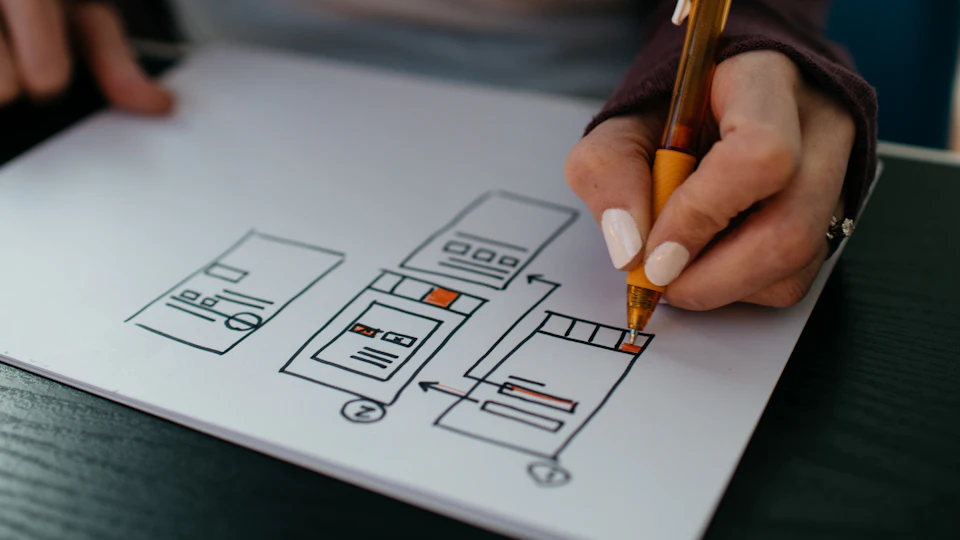
Bring everything together in a short game design document: concept, core loop, controls, levels or progression, characters, user interface screens, art references and the feature list for the first version. It does not need to be long. Five to ten clear pages give developers enough to quote accurately and reduce misunderstandings during development.
7. Prototype and milestones
Start with a small playable prototype that tests the core loop. Play it, share it with a few people and adjust before committing to full production. Then break development into milestones with something playable at each stage, and tie payments to those milestones. Plan time for testing on real devices; QA testers can find bugs you will miss.
8. Ownership and files
Agree in writing that you will receive the full source project, all art and sound files, and the rights to use them commercially. Check that any third-party assets, fonts, plugins or music are licensed for commercial games. Store the project in a repository you control, and ask for short notes on how to build and publish the game.
9. Plan for launch and updates
Publishing on app stores or game platforms takes time for accounts, store pages, screenshots and review processes. Create these accounts in your own name early. After launch, players will find bugs and ask for changes, so agree on a support period and how updates will be priced.
Pre-hire checklist
- One-paragraph concept and similar games.
- Core loop written down.
- Strict feature list for the first version.
- Platforms decided, engine discussed.
- Art and sound references, and who provides them.
- Short game design document.
- Prototype first, then milestone payments.
- Ownership of code and assets agreed.
Our game development guide covers how to compare developers. For marketing, a game trailer can help once you have something worth showing.
FAQ
What is a core loop?
The main repeated actions a player takes, such as explore, collect and upgrade.
Which game engine should I choose?
Often the one your developer knows best that supports your target platforms.
Should I start with a prototype?
Yes. A small playable prototype tests whether the idea is fun before full production.
Who owns the code and art?
Agree in writing that you receive the source project and rights to all assets.
How do I keep scope under control?
Fix the features for the first version and keep a separate list of later ideas.