GigCompass
Home › Learn › How to plan podcast interviews with guests
How to plan podcast interviews with guests
Updated 2026-10-06
We may earn a commission if you hire through links on this page, at no extra cost to you. How we choose picks.
Interview shows depend on good guests and good conversations. The preparation before the recording, from choosing guests to setting up the technology, shapes how the episode sounds and how easily it can be edited and promoted. This article explains how to plan guest interviews so that recordings go smoothly and your editor, producer and promoter have what they need.
1. Be clear about the show
Write down the purpose of your show, the audience and what a good episode feels like. Decide the length, the style of conversation and how often you publish. Knowing this helps you choose guests who fit and tells them what to expect. If your show is new, listen to a few shows you admire and note how they open, structure and close their interviews.
2. Choose and research guests
List guests who can offer something useful to your audience: experience, a story, expertise or a fresh view. Research each one: read or listen to their earlier interviews, find what they care about and note topics they have not been asked about before. Prepare facts such as names, titles and projects so that you can introduce them correctly.
3. Invite and confirm
Send a short invitation that explains your show, why you would like this guest, how long the interview takes and what you need from them. Offer dates and a way to book. After they agree, confirm the time zone, the recording method and where to send materials. Send a reminder the day before, with a link and brief technical tips.
4. Prepare questions and flow
Outline three to five main topics and a few strong questions for each, with follow-up ideas. Start with a simple opening to help the guest relax, build to the most interesting part and end with a clear closing question and where listeners can learn more. Leave room for surprises; some of the best moments come from listening and following an unexpected answer.
5. Prepare the recording setup
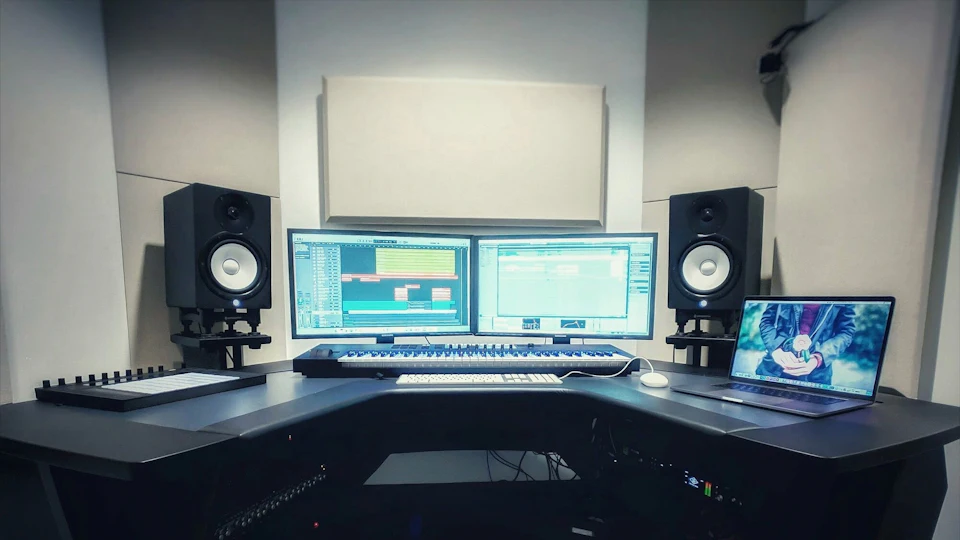
Choose a recording tool that captures each person on a separate track if possible, since this makes editing easier. Ask the guest to use wired headphones, a quiet room and, if they have one, a separate microphone. Do a short test beforehand and record a backup. Mute notifications, and agree on a way to signal restarts if someone needs to repeat an answer.
6. Get permission and share the plan
Ask the guest to confirm that you may record and publish the conversation, and clarify how their name, image and links will be used. Tell them how and when the episode will be released and whether they will see it before publication. Share the outline with your editor and promotion team, along with a list of names, links and spellings to include in the notes.
Questions to ask your editor or producer
- Which file formats and tracks do you prefer for guest recordings?
- How should I mark moments to cut during the interview?
- Can you create short clips and written notes from each episode?
- How long do you need between recording and publishing?
- How do you handle poor audio from a guest?
- What do you need from me for the intro, outro and music?
After the interview
Thank the guest the same day and tell them when the episode will appear. Send the raw files and notes to your editor quickly while the conversation is fresh. When the episode is live, send the guest a link and ready-made sharing text and images, since guests who share the episode bring new listeners. Keep a list of what worked and what to change next time.
Time and budget
Plan the whole workflow in hours, not only the recording: research, outreach, the interview, editing, notes, graphics and promotion. If you outsource editing or promotion, include the cost per episode and the turnaround time. Batch several interviews on the same day when you can, since setup time is the same and it makes scheduling easier. Keep a small buffer for rescheduling, because guests are busy and plans change.
Common mistakes
- Booking a guest without researching their earlier interviews.
- Skipping a sound test and finding problems after the recording.
- Recording without written permission to publish.
- Forgetting to share the finished episode with the guest.
FAQ
How many questions should I prepare?
A short outline of topics with a handful of key questions is usually better than a long script, so the conversation stays natural.
What recording setup should guests use?
A quiet room, wired headphones and a decent microphone make a big difference. Send clear tips ahead of time.
Do I need a release from guests?
A simple written permission to record and publish the interview is common practice. Ask a professional if you need legal advice.
Should I record video too?
It helps for clips and promotion, but it adds work. Decide based on your plans for social media.
What do I give my editor?
The raw audio files, notes on cuts, the episode outline and the intro and outro material.