GigCompass
Home › Learn › How to launch a podcast with freelance help, step by step
How to launch a podcast with freelance help, step by step
Updated 2026-10-03
We may earn a commission if you hire through links on this page, at no extra cost to you. How we choose picks.
Launching a podcast involves more than pressing record. A show needs a clear idea, cover art, an intro, good audio, editing, show notes and a plan to reach listeners. You do not have to do everything yourself: freelancers can handle most of the production so you can focus on the conversations. This article walks through each step and shows where outside help makes the biggest difference.
1. Plan the show
Decide who the show is for, what it is about and what makes it different. Choose a format, such as interviews, solo episodes or co-hosted conversations, and a realistic episode length and schedule. Write down ten episode ideas. If you struggle to reach ten, the topic may be too narrow. A podcast writer can help with outlines and scripts if you prefer structured episodes.
2. Create the look and sound
Your cover art is the first thing people see in podcast apps, often at a very small size. A podcast cover designer can create artwork that stays readable when tiny. A short intro and outro, ideally custom or properly licensed, gives the show a professional feel. See our jingles and intros guide. Some shows also use a voice over artist for the intro.
3. Record with good sound
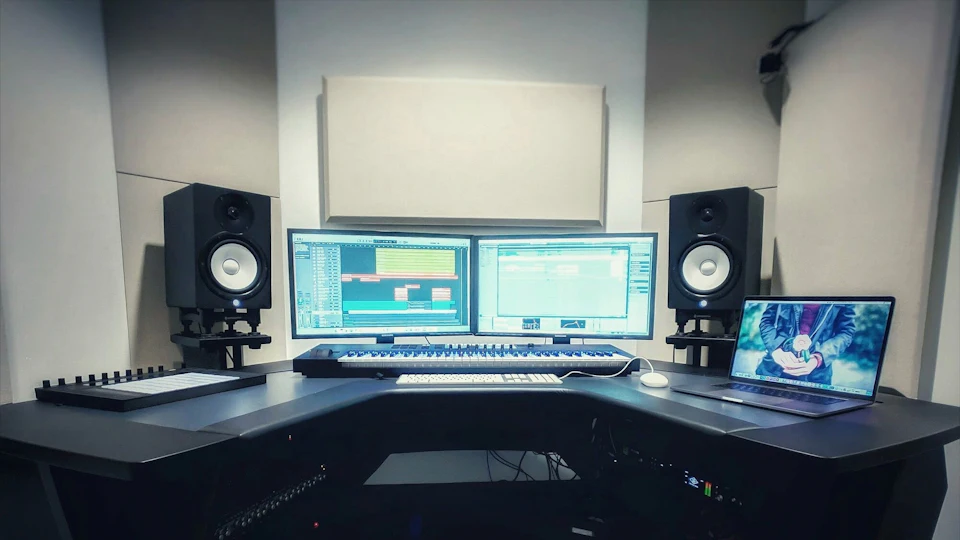
Good audio starts at recording. Use a dedicated microphone, record in a quiet room with soft furnishings, and ask guests to wear headphones. For remote interviews, record each person locally if possible. Fixing poor recordings later is harder and more expensive than avoiding problems at the start.
4. Edit and produce
A podcast editor removes mistakes and long pauses, balances volume between speakers, reduces background noise, adds the intro and outro, and exports files ready for publishing. For video podcasts, editors also sync cameras and add graphics. Agree on a standard turnaround so episodes are ready on schedule.
5. Write show notes and publish
Show notes summarize the episode, list links and help people find your show in search. Many editors or writers offer show notes, and a transcription can be turned into notes, blog posts or captions. Choose a podcast host that distributes to the main apps, and keep the account in your own name.
6. Turn episodes into clips
Short video or audiogram clips from each episode help new listeners discover the show on social media. A video repurposing editor can find strong moments, add captions and format them for each platform.
7. Promote consistently
Share each episode with your existing audience, ask guests to share their episodes, and appear on other shows in your niche. Podcast marketing freelancers can help with launch plans, listings and outreach. Our podcast marketing guide covers what to expect. Growth is usually gradual, so consistency matters more than any single tactic.
8. Set up a repeatable workflow
Once episodes are coming out regularly, a simple workflow keeps everything on schedule. Many shows use a shared folder where raw recordings are uploaded, a checklist for each episode, and a fixed day when the edited audio, show notes and clips are due. Give each freelancer a short guide covering your intro, outro, volume preferences, file names and anything to always cut. This makes it easy to add or replace a freelancer without losing quality.
Review your listener numbers every month or two. Look at which topics and guests performed well and which clips brought new listeners, then plan the next episodes with that in mind.
A simple freelance team for most shows
| Task | Freelancer | When |
|---|---|---|
| Cover art | Podcast cover designer | Once, before launch |
| Intro and outro | Jingle or music producer | Once, before launch |
| Editing | Podcast editor | Every episode |
| Show notes | Writer or transcriptionist | Every episode |
| Clips | Video repurposing editor | Every episode |
Start with the essentials, cover art and editing, and add the rest as the show grows. Keep a shared folder with your recordings, artwork, music licenses and templates, so any new freelancer can pick up the work quickly. Most importantly, enjoy the process: listeners can hear when hosts are genuinely interested in their topic, and that enthusiasm keeps people coming back week after week.
FAQ
How many episodes should I have before launching?
Many shows launch with two or three episodes so new listeners can try more than one.
Do I need expensive equipment?
No. A decent microphone and a quiet room matter more than an expensive setup.
Should I record video too?
Video helps on video platforms and for short clips, but audio-only shows work well too.
Who owns the intro music?
Check the license. Custom music or properly licensed tracks avoid problems later.
How often should I publish?
Choose a schedule you can keep, such as weekly or every two weeks.