GigCompass
Home › Learn › What to prepare before hiring someone to build your website
What to prepare before hiring someone to build your website
Updated 2026-10-02
We may earn a commission if you hire through links on this page, at no extra cost to you. How we choose picks.
Website projects are among the most common freelance jobs, and also among the most likely to run late. The usual reason is not the designer or developer, but missing content and decisions on the client side: text that is not written, photos that are not chosen, logins that nobody can find. Preparing a few things before you hire makes the project faster, cheaper and far less stressful.
1. Goals and audience
Write down what the website must achieve. More enquiries, online sales, bookings, credibility for sales meetings or information for existing customers are all different goals and lead to different designs. Describe your main customers and what they need to find or do on the site. One or two clear goals are better than a long list.
2. A list of pages
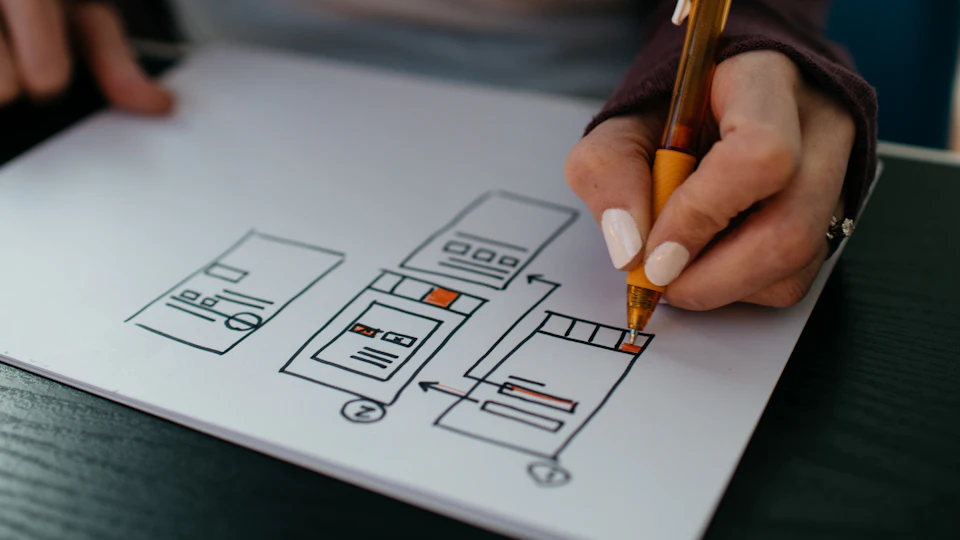
Draft a simple site map: the pages you need and what each one is for. For many small businesses this is a home page, a page for each main service or product group, an about page and a contact page. Add a blog, booking system, store or members area only if you have a plan to use it. Knowing the page count helps freelancers quote accurately.
3. Text and images
Content is the biggest cause of delays. Gather or write the text for each page, even in rough form, and collect your logo, photos, product images, team photos and any videos. Check that you have the right to use every image. If writing is not your strength, consider a website content writer early, so the design can be built around real text instead of placeholder words.
4. Domain, hosting and accounts
Register your domain name in your own name, or find the login if you already own one. Decide on the platform, or ask freelancers for advice; our comparison of website builders, WordPress and custom code can help. List the tools the site must connect to, such as email marketing, booking, payments or analytics, and make sure you can access those accounts.
5. Examples and brand assets
Collect three to five websites you like, ideally not all from your own industry, with notes on what you like about each. Gather your brand colors, fonts and any style guide. If you do not have a logo yet, sort that out first; designing a website around a temporary logo often leads to rework.
6. Decision makers and timeline
Decide who approves the design and content, and how quickly they can respond. Websites stall when feedback has to pass through several people with different opinions. Set a realistic launch date with some buffer, and avoid tying it to an event that cannot move.
7. Plans for after launch
Think about who will update the site, add content and keep it secure. If you want to edit pages yourself, say so; it affects the platform and how the site is built. If not, agree on maintenance with the developer or another freelancer. Ask for a short training session or video at handover.
8. Budget and priorities
Decide on a realistic budget range and which features are essential for launch. Separate must-haves from nice-to-haves. A focused first version that launches on time is usually better than a large site that takes months longer. Extra features, such as a blog, multilingual pages or a members area, can be added in a second phase once you see how visitors use the site. Sharing your priorities helps freelancers suggest the best use of your budget instead of quoting for everything at once.
If some items are not ready yet, that is fine. Tell freelancers what is missing and when it will arrive, so they can plan the work around it and give you an honest timeline.
Pre-project checklist
- Goals and audience are written down.
- The list of pages is drafted.
- Text and images are ready or assigned.
- The domain and key accounts are in my name.
- I have example websites with notes.
- One person approves the work, and the timeline is realistic.
- Maintenance after launch is planned.
With these ready, share them in your brief. Freelancers can then give you a more accurate quote and timeline, and the build can start without waiting on missing pieces.
FAQ
Do I need all the text before the project starts?
Ideally most of it. If not, plan who will write it and when, or hire a website content writer.
Should I buy the domain myself?
Yes. Register it in your own name and give the freelancer access.
What if I do not have professional photos?
Use licensed stock photos, hire a photographer or ask the designer to suggest options.
How many pages does a small business site need?
Often a home page, services, about and contact pages. Add others only if they serve a clear purpose.
Who maintains the site after launch?
Decide this before the build. It affects which platform you choose.