GigCompass
Home › Learn › How to prepare a storyboard project before hiring
How to prepare a storyboard project before hiring
Updated 2026-10-06
We may earn a commission if you hire through links on this page, at no extra cost to you. How we choose picks.
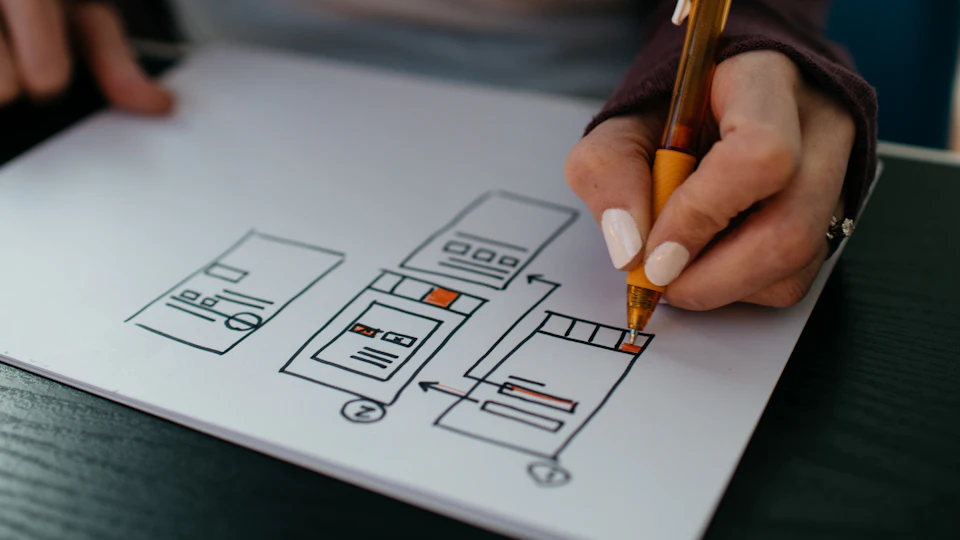
A storyboard is a series of drawings that shows how a video, ad or animation will look shot by shot before anything is filmed or animated. It helps everyone agree on the plan, saves production time and makes it easier to explain your idea to a team or client. Hiring a storyboard artist works best when you bring a script and a clear sense of the story. This article explains what to prepare and what to ask.
1. Bring a script or a clear outline
A storyboard turns words into pictures, so it starts with the words. Provide a script, a voice-over text or a scene-by-scene outline. Mark the key moments: where the product appears, where the message changes and what the viewer should feel at the end. If the script is not finished, say so and explain what is flexible. The artist can suggest visual ideas, but they should not have to invent the story from nothing.
2. State the purpose and audience
Explain what the storyboard will be used for. A storyboard that guides a film crew needs camera angles and details about locations. One that helps a client approve an idea needs to look clear and appealing. One that guides animators needs timing and movement. Describe the audience of the final video and the platform where it will appear, since a vertical social clip is framed differently from a widescreen commercial.
3. Think about shots
You do not have to be an expert, but a few notes help. Mention important close-ups, wide shots, transitions and any special camera movements. Describe the characters, setting and props. If you are unsure, tell the artist and ask for suggestions. A good storyboard artist knows how shot choices affect pacing and emotion, and can improve a plain script with a few visual ideas.
4. Share style references
Send examples of storyboards or illustrations that match the level of detail and style you want: simple pencil sketches, clean line drawings or fully colored frames. Say whether the characters should look realistic, cartoon-like or stylized. If your brand has colors or characters, provide them. When you are not sure, ask for a single sample frame before approving the full set.
5. Agree format and quantity
Decide how many frames you expect and how they will be delivered: individual images, a single sheet or a PDF with captions. Ask whether notes about action, dialogue, sound and timing will be included under each frame. If you plan to present the storyboard to others, ask for an animatic style preview or a slide format. Confirm the file sizes and whether the artist will provide editable files.
6. Plan feedback and revisions
Review the first round with the people who need to approve the project, and collect their comments into one list. Point to frame numbers and be specific: change the angle in frame six, show the product earlier, shorten the middle section. Agree on the number of revisions and what counts as a major change, since reworking the story later is more work than adjusting details.
Questions to ask the artist
- Can you show storyboards for projects like mine?
- How many frames are included in the price?
- Do you add notes on camera, action and dialogue?
- How many revision rounds are included?
- What is the turnaround time, and what do you need from me?
- Who owns the artwork, and may I share it with my production team?
Budget and timing
Costs depend mainly on the number of frames, the level of detail and whether frames are black and white or colored. For many projects, simple clean sketches are enough, and money saved can go into production. Ask for a timeline that includes a first version, feedback time and a final delivery. If your production date is fixed, share it at the start so the artist can plan around it.
Common mistakes
- Starting before the story is decided.
- Asking for polished color frames when rough sketches would do.
- Giving feedback in many separate messages.
- Forgetting that the platform and screen shape affect the framing.
FAQ
Do I need a finished script?
A script or at least a clear outline helps a lot. Artists can suggest shots, but they need to know the story.
What style are storyboards drawn in?
They range from rough sketches to polished color frames. Choose the level of detail that your team or client needs.
How many frames will I need?
It depends on the length and pace. A thirty-second ad often needs somewhere around eight to fifteen frames.
What does the artist deliver?
Usually image files or a PDF with frames in order, often with notes about action, camera and dialogue.
Can I change the storyboard later?
Yes, within the agreed revision rounds. Changing the story late is easier on paper than during production.